
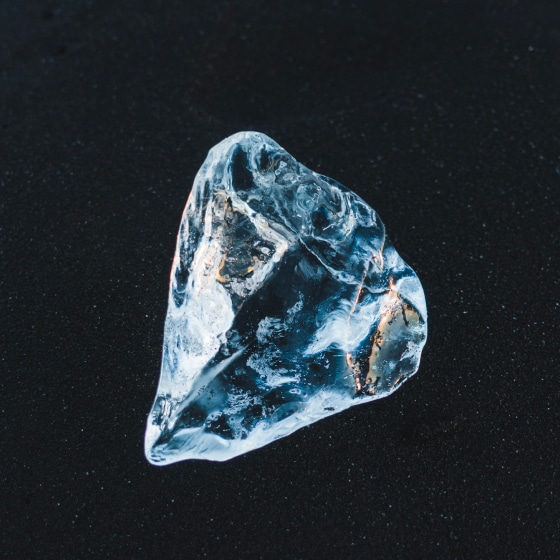
Encompassing a history as enduring as the earth itself, natural diamonds are true marvels of nature. They are forged through time, pressure, and geological wonder, creating gems that are as unique as they are exquisite. These jewels, unmatched in their beauty and significance, have come to symbolize elegance and endurance throughout history.
Volcanic delivery
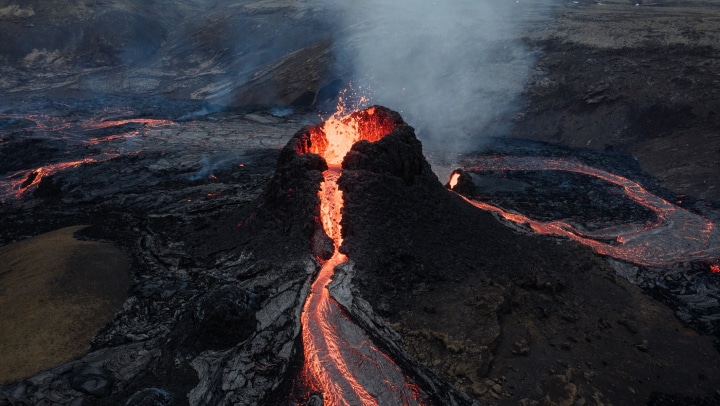
Your diamond was forged between one and three billion years ago deep beneath the earth’s surface. A powerful process called subduction, where ancient land masses moved against each other, produced enough pressure, friction, and heat that fragments of carbon crystallized and grew into our planet’s supply of natural diamonds. These diamonds are a testament to the earth’s fiery creative forces, buried and then unleashed through monumental geological events.
Natural diamonds have been discovered on nearly every continent. The most abundant gem-quality deposits have historically been mined in Africa, Canada, Russia and Australia, each offering a different chapter in the story of these sparkling treasures.
Rough to polish
1. Planning
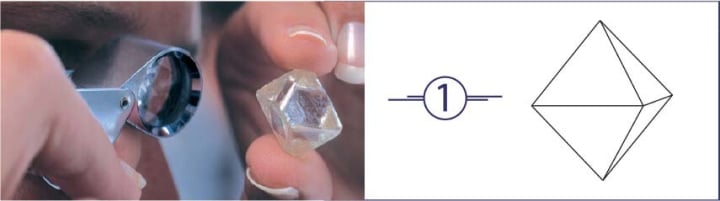
During the planning stage, this rough octahedron crystal is studied, and its growth directions and inclusions are mapped. This crucial step in the crafting process not only defines the diamond’s proportions but also its ultimate value. Detailed planning ensures that every facet is crafted to best showcase, the stone’s color, clarity and brilliance, maximizing the beauty of natural diamonds. This phase is crucial as it establishes the blueprint for cutting, balancing the diamond’s natural form with the desired final shape, to enhance both aesthetic appeal and intrinsic value.
2. Marking
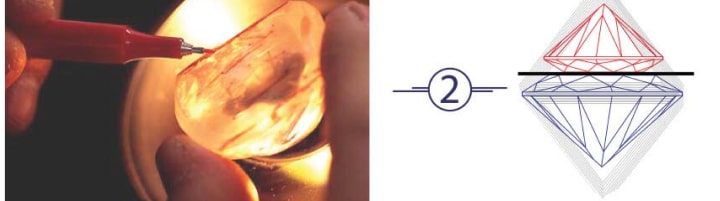
Once the plan is determined, the crystal is marked for primary sawing. The precise marking acts as a guideline for cutters, minimizing waste and preserving the integrity of the natural diamond’s most desirable attributes. It is a thoughtful process that respects the stone’s original essence while envisioning its future beauty.
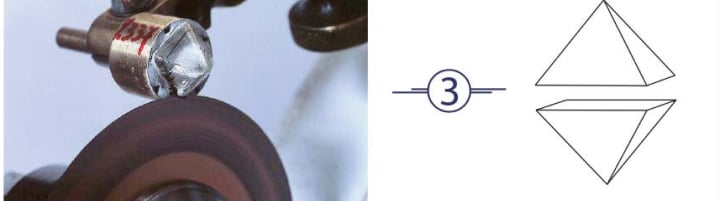
3. Sawing
A carbon-fiber blade coated with diamond-grit makes the first cut. It will take several hours to saw this crystal into two pieces; each of which will become a polished diamond. This stage demonstrates the care and precision required to transform rough natural diamonds into elegant gemstones. Every part of the sawing process is methodical and monitored, reflecting the sawyer’s expertise in ensuring maximum yield and quality from each stone.
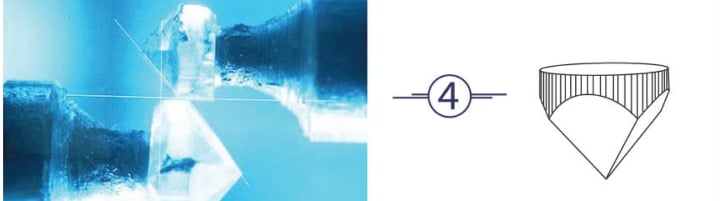
4. Bruting
The two pieces spin in opposite directions, grinding against each other to smooth the edges and create a round outline. Bruting defines the symmetrical shape of the stone, a key characteristic of the finished product’s beauty. This delicate process requires constant attention and skill from the girdler, or “bruter,” as it dictates the diamond’s future symmetry and brilliance potential, cornerstones of its captivating qualities.
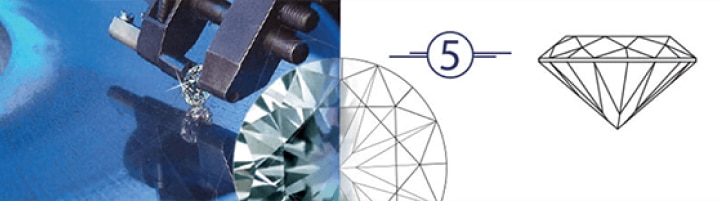
5. Polishing
Polishing is the most critical part of the diamond cutting process, taking place on a scaife; a flat wheel coated with diamond grit which spins at between 3,000-5,000 RPM. This stage is where the diamond’s final character emerges, revealing its full lustre and fire. Polishing transforms every rough surface into a gleaming facade, ensuring that every facet captures and reflects light as intended, captivating onlookers to maximum effect.
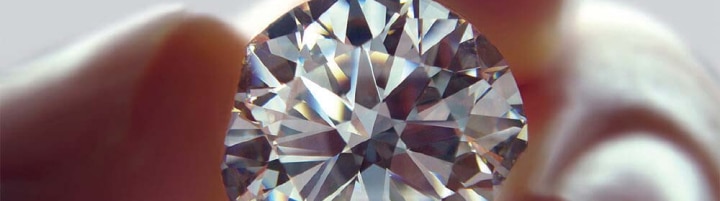
6. Inspection
Once finished, the diamond is boiled in acid to ensure it’s thoroughly cleaned for optimum performance potential. This process is a testament to the incredible durability, hardness and “forever” qualities of each diamond. It is then examined to ensure that it meets the producer’s expectations and quality standards.
Diamond Grading
Following the diamond-cutting process and prior to being sold loose or mounted into jewelry, diamonds are typically submitted to gemological institutions such as IGI for quality assessment. Four main factors are considered when judging a diamond’s quality and value. They are the diamond’s 4C’s: Carat weight, Diamond color, Diamond clarity, and Diamond cut. IGI screens every diamond using state-of-the-art technologies to determine naturally mined, laboratory-grown, or simulant origin. Experienced graduate gemologists conduct further assessments in controlled conditions, detailing relevant gemological characteristics according to the strictest international system.

Natural Diamond FAQs
-
How are natural diamonds formed?
Natural diamonds formed billions of years ago, deep within the Earth's mantle under extremes of high temperature and pressure. Molten rock, known as kimberlite, brought our supply of diamonds to the surface. Because these conditions no longer occur, each natural diamond is a unique testament to the ancient, titanic forces within the Earth which created and brought them to us.
-
What factors determine natural diamond price?
The price depends on the 4Cs: Carat weight, color, clarity and cut. Market demand and rarity also play crucial roles. Additionally, provenance and historical significance can significantly influence a diamond's market value.
-
Why are natural diamonds more expensive than lab-grown diamonds?
Natural diamonds are more expensive because they are rarer and often have unique inclusions that tell the story of their formation. Their intrinsic scarcity coupled with their geological origin makes them coveted possessions in the gemstone market.
-
Where can I buy loose natural diamonds?
Loose natural diamonds are available at reputable jewelers, diamond retailers, and auction houses worldwide. Always request certification upon purchase. Trustworthy sellers provide detailed reports that validate a diamond's authenticity and quality.
-
How can I check the authenticity of natural diamonds?
Authenticity can be checked by professional evaluation, involving advanced gemological testing. Certification ensures genuine natural diamonds. Seeking expert advice helps detect any treatments or enhancements applied to the gem.
-
Do natural diamonds hold their value over time?
Yes, they generally retain their value due to their rarity and demand, often appreciating over time. Their timeless appeal and historical market trends have made them appealing luxury assets and a reliable store of value.
-
What are the 4Cs of natural diamonds?
The 4Cs - carat weight, color, clarity and cut - are used to evaluate these gems' quality and value. Understanding these criteria assists buyers in making informed purchasing decisions.
-
Are loose natural diamonds a good investment?
Loose natural diamonds traditionally hold and slowly increase in value over time, which is logical given their rarity, association with luxury, and timeless appeal. However, their “investment” potential is an extremely long-term proposition for the average buyer, since it normally takes decades for values to increase enough that a consumer can recover what was paid at retail on the secondary market.


