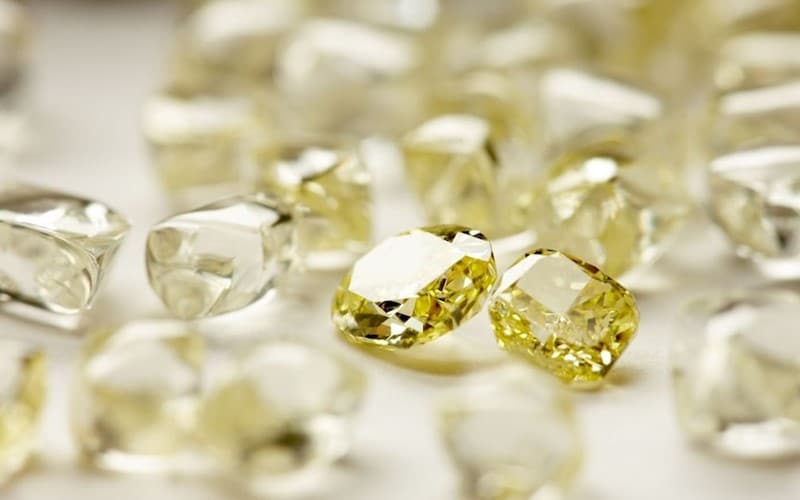

When purchasing a diamond, clarity is just as crucial as cut, color, and carat. The diamond clarity chart serves as a vital reference, helping buyers and enthusiasts evaluate a diamond’s purity and brilliance. It classifies diamonds based on their internal and external characteristics—known respectively as inclusions and blemishes—which naturally form during the diamond’s creation deep within the Earth.
Understanding the clarity scale not only empowers you to assess a diamond’s beauty but also ensures you make a wise investment. By knowing what to look for, you can strike a balance between quality and value when choosing a gem that meets your standards.
In this guide, we’ll break down the clarity grading scale, explore how it affects a diamond’s appearance and price, and share practical tips to help you choose the right clarity grade for your needs. Whether you’re a first-time buyer or a seasoned collector, mastering the clarity chart is key to unlocking a diamond’s true quality.
Flawless (FL) and Internally Flawless (IF)
At the very top of the diamond clarity scale are Flawless (FL) and Internally Flawless (IF) diamonds. These gems represent the highest level of purity and are prized for their exceptional clarity.
Flawless (FL) diamonds have no internal inclusions or external blemishes visible under 10x magnification. They are extraordinarily rare and command premium prices due to their perfect structure and unmatched brilliance.
Internally Flawless (IF) diamonds are nearly identical in clarity, with no internal inclusions, but may have minor surface blemishes that can typically be removed with careful polishing. While slightly more common than FL diamonds, they remain incredibly rare and highly desirable.
Both FL and IF grades sit at the pinnacle of the diamond clarity chart, offering unparalleled beauty and clarity. Their rarity and perfection make them highly valuable, particularly to collectors and connoisseurs seeking the very best.
Very Very Slightly Included (VVS1, VVS2)
Just below Flawless and Internally Flawless on the clarity scale are VVS1 and VVS2 diamonds, which stand for Very Very Slightly Included. These diamonds contain minute inclusions that are extremely difficult to detect, even under 10x magnification by a trained gemologist.
VVS1 diamonds have inclusions that are so small and faint, they’re typically located near the pavilion (bottom) and are nearly impossible to see, even with magnification.
VVS2 diamonds have slightly more noticeable inclusions, usually near the crown (top), but remain invisible to the naked eye.
These diamonds offer a remarkable balance between purity and value, delivering brilliance nearly indistinguishable from Flawless diamonds, but at a significantly more accessible price. For buyers seeking near-perfect clarity without the premium cost, VVS1 and VVS2 are excellent choices.
Very Slightly Included (VS1, VS2)
Next on the diamond clarity scale are VS1 and VS2, which stand for Very Slightly Included. These diamonds have minor inclusions that are still difficult to see under 10x magnification and remain invisible to the unaided eye in most cases.
VS1 diamonds typically have inclusions that are very small and positioned in less visible areas, making them virtually indistinguishable from higher clarity grades in everyday wear.
VS2 diamonds may have slightly more or slightly larger inclusions, but they are still considered minor and usually go unnoticed without magnification.
VS clarity diamonds offer excellent value, combining high visual purity with more attainable pricing compared to FL, IF, or VVS grades. For most buyers, a VS1 or VS2 diamond will appear perfectly clean while allowing for greater flexibility in budget or carat size.
Slightly Included (SI1, SI2)
Slightly Included (SI1 and SI2) diamonds contain noticeable inclusions that are easy to spot under 10x magnification and may sometimes be visible to the naked eye, especially in SI2 stones. However, with careful selection, many SI diamonds can still appear eye-clean, especially in smaller carat sizes or brilliant cuts, such as round diamonds, which mask inclusions more effectively.
SI1 diamonds often have inclusions that are small enough to remain hidden without magnification, making them a popular choice for shoppers seeking value without sacrificing overall beauty.
SI2 diamonds tend to have more visible inclusions, though these can sometimes be disguised by strategic setting choices or hidden beneath prongs.
SI clarity diamonds offer an ideal balance between appearance and affordability, making them a smart option for buyers who prioritize size or setting style while still maintaining attractive clarity.
Included (I1, I2, I3)
At the base of the diamond clarity scale are Included (I1, I2, and I3) diamonds. These stones have inclusions that are obvious under 10x magnification and often visible to the naked eye. The inclusions may affect not only the diamond’s appearance but also its brilliance and structural integrity, particularly in lower-grade diamonds.
I1 diamonds may still be attractive to some buyers, as the diamond’s cut or setting can sometimes mask inclusions. They may appear reasonably clean to the untrained eye in smaller sizes.
I2 and I3 diamonds generally have more prominent inclusions that can impact transparency and durability, making them less suitable for fine jewelry unless selected very carefully.
While these diamonds are the most affordable, they are best suited for buyers who prioritize size over clarity or are working within a tight budget. A well-cut I1 diamond, cleverly set, can still offer pleasing sparkle at a fraction of the cost of higher-grade stones.
Diamond Clarity Scale Summary
| Grade | Clarity Description | Visibility of Inclusions | Notes |
| FL (Flawless) | No internal or external imperfections | None under 10x magnification | Extremely rare and expensive |
| IF (Internally Flawless) | No internal flaws, minor surface blemishes only | None under 10x magnification | Nearly identical to FL in appearance |
| VVS1 / VVS2 (Very Very Slightly Included) | Minute inclusions, very difficult to detect under magnification | Invisible to the naked eye | Excellent quality and value for near-perfection |
| VS1 / VS2 (Very Slightly Included) | Minor inclusions, somewhat easy to see under magnification | Usually eye-clean | Great value; clean appearance at lower price |
| SI1 / SI2 (Slightly Included) | Noticeable inclusions under magnification | SI1 often eye-clean; SI2 may show flaws | Budget-friendly; choose carefully for eye-clean stones |
| I1 / I2 / I3 (Included) | Obvious inclusions, possibly visible to the naked eye | Yes, especially in I2/I3 | Least expensive; may affect beauty or durability |
Tips for Choosing the Right Diamond Clarity
When selecting a diamond, clarity is just one of the Four Cs—but it plays a key role in how your stone looks and performs. Here are some expert tips to help you make a wise, confident choice:
• Go Budget-Savvy with VS2 or SI1
For those who want a stunning diamond without overspending, VS2 and SI1 grades offer excellent value. These diamonds often appear eye-clean, meaning they have no visible inclusions to the naked eye, while being significantly more affordable than higher clarity grades.
• Prioritize Cut Over Clarity
A well-cut diamond can outshine a higher-clarity stone with poor proportions. Superior cut quality enhances brilliance and can mask slight inclusions, making the stone appear cleaner and more vibrant.
• Let the Setting Work for You
Inclusions near the edges or the pavilion can often be hidden beneath prongs or creative settings. This allows you to choose a slightly lower clarity grade while maintaining a flawless appearance once the stone is set.
• Use the Clarity Chart as a Visual Tool
Refer to the diamond clarity scale to understand how each grade impacts visibility and structure. Clarity isn’t just about identifying inclusions—it’s about recognizing how those characteristics affect a diamond’s light performance, transparency, and long-term durability.
Conclusion: Clarity with Confidence
The diamond clarity chart is an essential guide for anyone considering a diamond purchase. It provides a clear framework for evaluating how inclusions and blemishes impact a diamond’s purity, brilliance, and overall value. By understanding the clarity scale and interpreting the diamond purity chart, you empower yourself to make informed, confident decisions.
Keep in mind—no diamond is truly flawless. Each stone carries its unique fingerprint; a natural story formed deep within the Earth. The goal isn’t perfection, but to find a diamond that balances beauty, brilliance, and budget in a way that resonates with you.
With the insights from this guide, you’re now better prepared to navigate the world of diamond clarity—and to select a gem that sparkles just as brightly as your intentions.
FAQs About the Diamond Clarity Scale
- What clarity grade is best for engagement rings?
Diamonds graded VS1 or VS2 are ideal for engagement rings, offering excellent clarity while maintaining strong value. They usually appear eye-clean and provide a brilliant sparkle without the premium price of higher grades. - How does diamond clarity affect price?
Clarity has a significant impact on prices. Higher grades, such as Flawless (FL) and VVS, are rare and command higher prices due to their superior purity. Lower grades, such as SI or I, are more budget-friendly but may have visible inclusions. - Are inclusions always visible to the naked eye?
Not always. Many inclusions are only visible under 10x magnification. Diamonds graded VS1 and above typically appear clean to the unaided eye, especially in smaller carat sizes or well-cut stones. - What clarity is ideal for larger diamonds?
Because larger diamonds make inclusions more noticeable, higher clarity grades, such as VVS1 or VVS2, are often recommended to ensure the stone maintains a clear, brilliant appearance.