
Diamonds have long captivated the world with their brilliance and beauty, but one of the most critical aspects of a diamond’s quality is often misunderstood: its color. Or more precisely, the absence of it.
At the International Gemological Institute (IGI), we emphasize the importance of understanding the 4Cs—Carat weight, Color, Clarity, and Cut—to help buyers make confident, informed decisions. Among these, color is frequently the most overlooked, yet it plays a significant role in a diamond’s value and visual appeal.
This guide breaks down the diamond color scale, offering clarity for both first-time buyers and seasoned collectors. Whether you’re selecting a sparkling solitaire for an engagement ring or investing in timeless jewelry, understanding diamond color will help you find the perfect stone to match your preferences and budget.
What Is the Diamond Color Scale?
The diamond color scale is an internationally recognized grading system used to evaluate the absence of color in white diamonds. Developed to bring consistency and clarity to diamond assessments, the scale ranges from D (completely colorless) to Z (noticeable light yellow or brown tint). The closer a diamond is to the colorless end of the spectrum, the rarer and typically more valuable it becomes, since truly colorless diamonds are exceptionally rare in nature.

At the International Gemological Institute (IGI), we utilize state-of-the-art equipment and expert analysis to determine a diamond’s precise color grade. It’s important to note that this scale applies exclusively to traditional white diamonds and does not include fancy-colored diamonds (such as pink, blue, or canary yellow), which are graded using a different system.
To ensure the highest level of accuracy, IGI evaluates diamonds under controlled lighting conditions and compares them against a standardized set of master stones. This strict process eliminates inconsistencies and ensures reliable, precise color assessments across all diamond evaluations.
Understanding the diamond color scale is crucial when selecting the perfect diamond, whether you prioritize purity, balance your budget, or express your unique style.
Color Categories and Their Significance
Understanding the different categories on the diamond color scale is essential when selecting a stone that aligns with your budget, style preferences, and design goals. Here’s how each range breaks down:
A. Colorless Diamonds (D–F)
These are the purest diamonds in terms of color, exhibiting no noticeable tint—even under magnification. They represent the highest tier of quality and rarity.
D: Colorless. This is the highest possible grade and extremely rare.
E–F: Nearly colorless, with minute traces of color detectable only by expert gemologists.
Best suited for:
White gold or platinum settings that highlight their brilliance and icy clarity. Ideal for collectors, high-end jewelry, and investment pieces.

B. Near Colorless Diamonds (G–J)
This range offers an outstanding balance of beauty and value. These diamonds appear colorless to the untrained eye, especially when set, but cost significantly less than D–F grades.
G–H: Virtually indistinguishable from colorless diamonds without specialized equipment.
I–J: Slightly warmer tones, still brilliant and beautiful when mounted in complementary settings.
Best suited for:
Engagement rings and fine jewelry. Near-colorless diamonds—especially those in the G–H range—are among the most popular choices at IGI due to their excellent value and appearance.
C. Faint to Light Color Diamonds (K–Z)
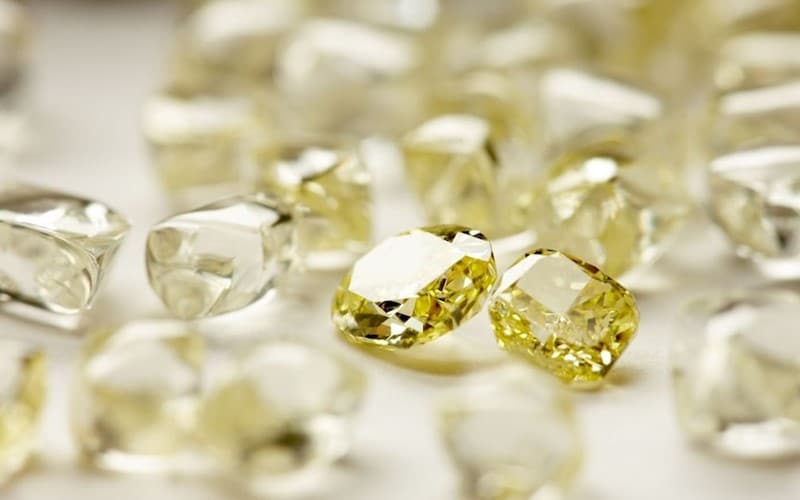
Diamonds in this range display a noticeable tint, ranging from faint yellow to light brown, with intensity increasing as you move down the scale.
K–M: Faint color, offering a subtle warmth that adds vintage or romantic appeal.
N–R: Very light yellow or brown tint, visible to most observers.
S–Z: Light yellow or brown color, often chosen for distinctive, antique-style designs.
Best suited for:
Yellow or rose gold settings that naturally enhance the diamond’s warm tones. A great option for those seeking something unique, budget-friendly, or with vintage charm.

Tips for Choosing a Diamond Based on Color
- Consider the Metal Setting:
The metal color can influence how a diamond’s color appears. White metals, such as platinum or white gold, highlight any subtle color in the diamond, so choosing a higher color grade (D to H) is usually best. Warmer metals, such as yellow or rose gold, can help mask slight color tones, allowing you to select a slightly lower color grade (I to K) without sacrificing beauty. - Balance Color with Other Cs:
If you’re working with a budget, don’t stress over getting the highest color grade. Prioritize an excellent cut instead. A well-cut diamond reflects light brilliantly, often appearing brighter and more colorless than its color grade alone might suggest. - Think About Size:
Color becomes more noticeable in larger diamonds, especially those over 1 carat. For larger stones, it’s often worth investing in a higher color grade to maintain the diamond’s crisp and clear appearance. - Trust IGI Certification:
Always look for an IGI certificate when buying a diamond. IGI’s thorough evaluations ensure transparency and give you confidence in the diamond’s actual color and quality.
Conclusion
Selecting the perfect diamond is all about finding the right balance between your style, budget, and the brilliance you want from your stone. Understanding the diamond color scale is a crucial part of this journey, and with IGI’s trusted grading system, you can shop with confidence and peace of mind.
Whether you prefer a flawless, colorless diamond or a warm-toned gem with unique character, IGI’s precise grading and educational resources empower you to make an informed choice that truly shines.
Ready to find your ideal diamond? Explore IGI-certified options today and experience the confidence that comes with expert grading and trusted quality.
FAQs About Diamond Color Scale
1. What is the most valuable diamond color grade?
Diamonds graded D are at the top of the color scale. They are prized for their complete lack of color and exceptional rarity, making them the most valuable among colorless diamonds.
2. How does diamond color impact price?
Diamonds with little to no color are rare, which greatly increases their value. As a result, truly colorless diamonds typically command premium prices in the market.
3. Can the diamond’s setting affect its perceived color?
Absolutely. Yellow or rose gold settings can mask warmer tones, making lower-grade diamonds appear more colorless. In contrast, white metals like platinum or white gold highlight any color tint.
4. For engagement rings, what is the best diamond color grade?
G-H color diamonds offer an excellent balance between visual appeal and value, making them a popular and practical choice for engagement rings.


