

Are you buying a diamond? That piece of paper, known as the IGI grading report, can provide you with essential information. Understanding a diamond grading report is crucial for making an informed purchase, ensuring you choose a gem that genuinely reflects your values and preferences. Since diamonds represent a significant investment, knowing how to interpret an IGI diamond grading report is indispensable.
The International Gemological Institute (IGI) is a trusted authority in the field of gemology. IGI reports are known for their precision and credibility, offering an in-depth analysis of a diamond’s characteristics.
What is an IGI Diamond Grading Report?
The IGI, which stands for the International Gemological Institute, is a globally recognized authority in gemology. Holding an IGI report means your diamond has been evaluated by some of the industry’s most skilled experts. The IGI grading report serves as a vital tool for both buyers and sellers by providing a detailed description of a diamond’s unique characteristics. This Report includes a thorough assessment using the diamond grading scale, offering insight into the diamond’s value and quality in the international market.
Overview of the IGI Report Layout
IGI grading reports ensure clarity and ease of use. The Report begins with identification information, including the unique Report ID, followed by details on the diamond’s shape, measurements, and classification. The core of the Report focuses on the 4Cs: carat, cut, color, and clarity. Additional comments and remarks offer further context about the stone. Digital features, such as QR codes, enhance accessibility and enable you to verify the authenticity of the IGI grading report online instantly. The IGI grading report serves as a vital tool for both buyers and sellers, providing a detailed description of a diamond’s unique characteristics. This Report includes a thorough assessment using the diamond grading scale to provide insight into the diamond’s value and quality on the international market.
Breaking Down the 4Cs in the Report
1. Carat Weight
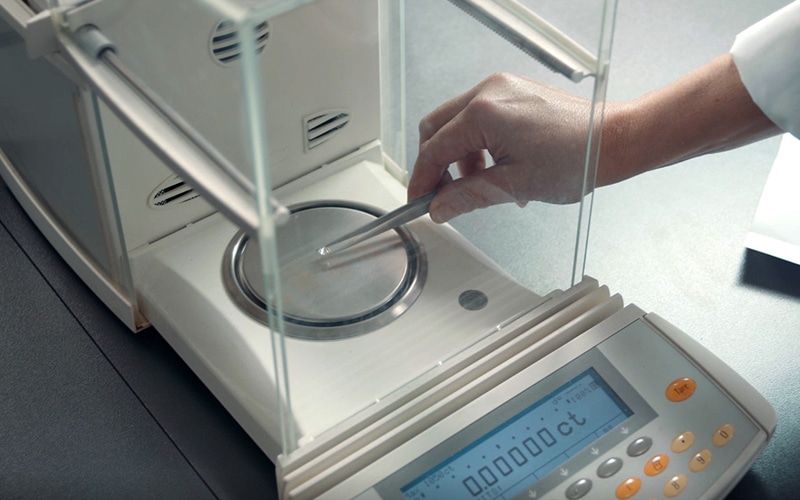
Carat weight indicates the actual mass of a diamond, determined with precision using established diamond grading scales. While larger diamonds tend to be more valuable, remember that beauty isn’t solely determined by size. Always balance carat weight with other qualities, such as cut and clarity.
2. Cut Grade
The cut grade, ranging from Ideal to Poor, is a significant determinant of a diamond’s brilliance and light performance. The IGI grading scale for cut involves meticulous measurement, highlighting why prioritizing cut is essential for maximizing sparkle. Always aim for an Excellent grade for optimal results.
3. Color Grade
Diamonds are graded from D (colorless) to Z (light yellow/brown) on the diamond color clarity scale. The sweet spots for value are between the G and I grades, where diamonds are virtually colorless but more affordable than higher-grade stones.
4. Clarity Grade
Gemologists assess clarity, ranging from Flawless (FL) to Included (I3), by examining visible internal features and surface marks. The plotted diagram in the Report helps visualize these, but remember that “eye-clean” diamonds, which appear flawless to the naked eye, can be just as desirable as those with higher technical grades.

Additional Details on the Report
The Report also includes ratings for the finish, assessing diamond grading aspects like polish and symmetry. Fluorescence, noted for its reaction to UV light, can influence a diamond’s appearance and will be considered. A proportion diagram outlines critical metrics, such as table percentage, depth, and angles, forming a complete picture of the diamond’s structure. Any extra remarks, such as “hearts and arrows,” add nuances to its characterization.
Security Features & Report Number
Each IGI grading report comes with unique identification numbers and optional laser inscriptions, ensuring transparency and security. Our ‘Verify Your Report’ feature enables effortless online validation, helping you avoid fake or altered reports and providing the legitimacy of the diamond.

Pro Tips for Reading Like a Pro
Deciphering a diamond grading scale chart like a seasoned expert empowers you with knowledge. To ensure accuracy, always compare the diamond grading scale chart alongside the diamond itself to verify consistency.
Using a loupe, examine the plotted diagram for any significant inclusions. Comparing multiple reports side by side exposes differences in quality, and be cautious of “over-graded” diamonds from less reputable sources, as the IGI ensures the highest accuracy.
Why Understanding the Report Helps You Buy Smarter
Mastering the intricacies of an IGI diamond grading report saves you money and helps you avoid being overcharged. Armed with this knowledge, you gain negotiation leverage with jewelers, ensuring you receive genuine value for your investment. Understanding the diamond quality chart and diamond quality scale equips you to make decisions that resonate with your personal and financial expectations.
Conclusion
A comprehensive understanding of the 4Cs, combined with careful reading of the fine print and verification of the Report, is crucial. Always demand an IGI grading report before purchase, as it provides a safeguard against uncertainties and establishes confidence in your choice. This scrutiny ensures that your diamond will continue to sparkle and retain its value over time.
FAQs
What is the most essential part of an IGI diamond grading report?
Although all parts of the Report are crucial, the 4Cs—carat, cut, color, and clarity—are key factors in evaluating a diamond’s worth.
How can I verify if an IGI report is real?
Utilize IGI’s Verify Your Report feature online. Each Report is traceable via a unique Report ID and, often, a QR code.
Can I trust a diamond just because it has an IGI report?
Yes, IGI’s reputation for excellence ensures that their reports are a reliable indicator of a diamond’s authenticity and quality.


