
Are Lab Grown Diamonds Real?
Lab grown diamonds - also known as "laboratory grown diamonds" or "lab created diamonds," are produced using modern technology.

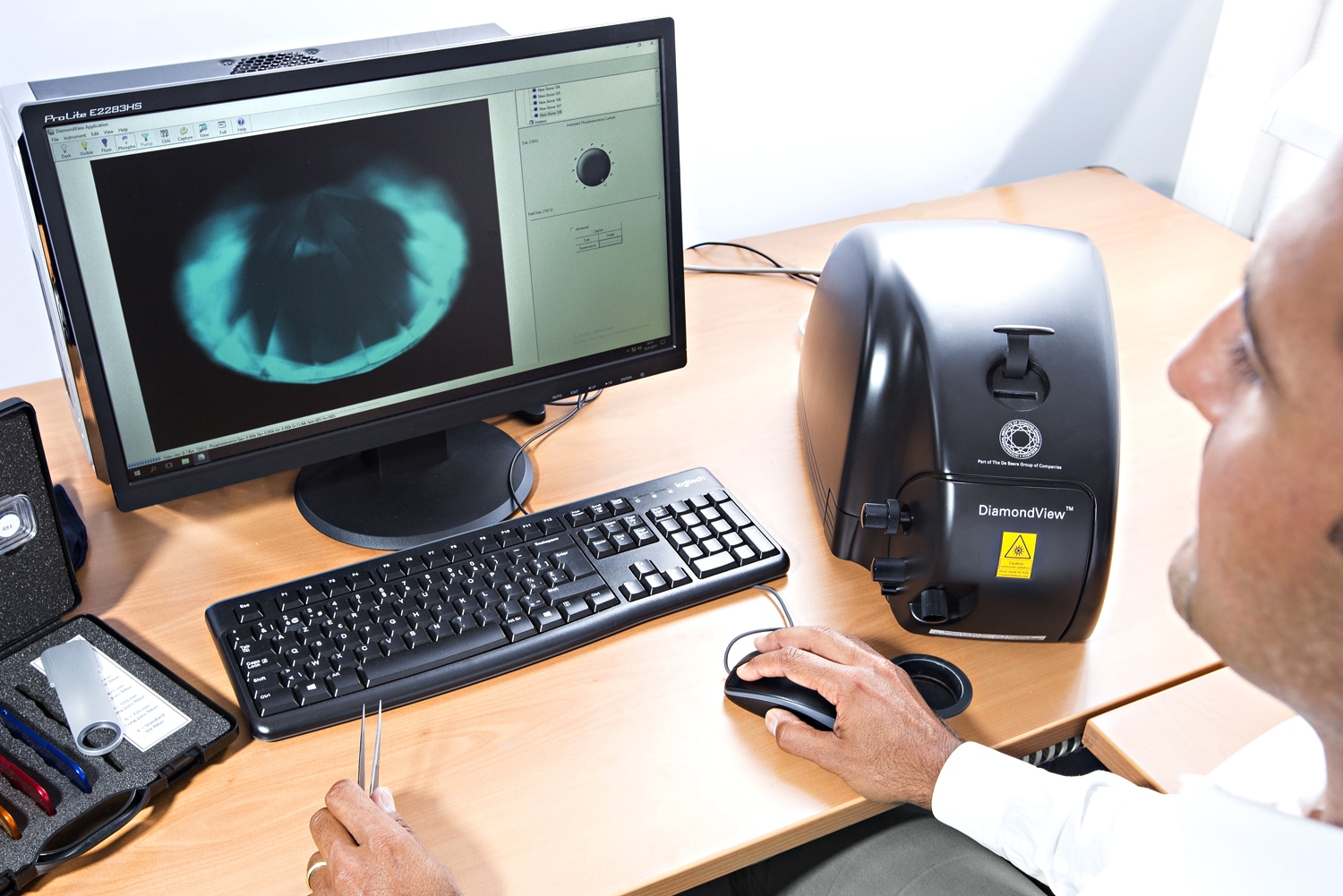
Yes. Lab-grown diamonds are real. They are not simulations or facsimiles. They exhibit identical optical, chemical, and physical properties to natural diamonds, which originated billions of years ago deep within the Earth. Once they are cut and polished, distinguishing them from natural diamonds requires specialized instruments and the expertise of trained professionals.
Note: IGI uses the term lab grown diamonds to refer to man-made gemstones which are optically, chemically and physically identical to natural diamonds. While this is one of several terms used for legal trade in the USA, be advised that some countries disallow those terms, requiring use of “laboratory grown diamond” (unabbreviated) or a separate term like “synthetic diamond,” to clearly differentiate the product.
Are Lab Grown Diamonds Real? - Topics:
Lab Grown Diamonds
Lab-created diamonds have the same optical, chemical, and physical properties as natural diamonds that formed billions of years ago deep within the Earth. After they are cut and polished, it takes advanced instruments and skilled experts to tell them apart from natural diamonds.
Learn More
Are Lab Grown Diamonds Synthetic?
Technically, yes. Lab-grown diamonds are produced through chemical synthesis, though the FTC finds this term confusing. This makes sense, as we refer to H2O as “water” in everyday contexts, like at a restaurant. Therefore, while you might encounter the term “synthetic diamond” in scientific literature, the diamond and jewelry industries predominantly use “lab-grown diamond.”

Lab Grown Diamonds vs Natural Diamonds
Similar to natural diamonds, lab-grown diamonds also score a 10 on the Mohs hardness scale, unmatched by any other material. “Corundum,” the mineral that forms rubies and sapphires, ranks 9 on the hardness scale. However, a diamond’s rating of 10 is almost ten times harder than corundum at 9. In essence, the hardness of both natural and lab-grown diamonds is unparalleled.
Learn More
What is a lab grown diamond?
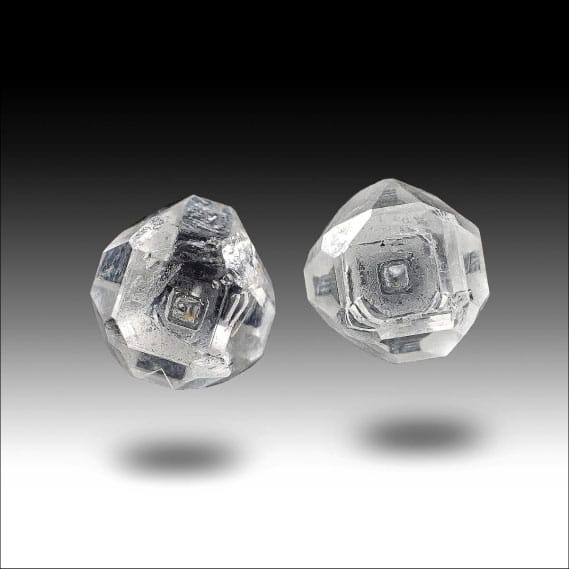
A lab-grown diamond is a genuine diamond, similar to those mined from the earth, but it is produced in a laboratory over several weeks using one of two advanced methods. The first method, High-Pressure High-Temperature (HPHT), mimics the extreme conditions deep within the earth that led to the formation of natural diamonds billions of years ago. The second method, Chemical Vapor Deposition (CVD), involves heating hydrocarbon gas into plasma, separating the carbon atoms, and using them to construct a lab-grown diamond crystal layer by layer.
Do lab grown diamonds look the same?
Yes, lab-grown diamonds possess the same refractive index and optical qualities as natural diamonds. They are even graded using the same color and clarity scales. While experienced gemologists and jewelers might identify certain characteristics indicative of a lab-grown origin, when viewed casually, diamond rings made from lab-grown diamonds appear identical to those made from natural diamonds. Distinguishing between the two definitively requires expert analysis and sophisticated instruments.

Is lab grown diamond jewelry less expensive?
Yes, lab-grown diamonds and jewelry made from them are sold at significantly lower prices compared to their natural counterparts. The principle of accelerating change indicates that ongoing technological advancements could further reduce the cost of producing lab-grown stones.

Are lab grown diamonds sustainable?

See how lab diamonds are made
Lab-grown diamonds are genuine diamonds produced in controlled lab environments using two main methods. One method simulates the intense pressure and heat conditions that created natural diamonds over millions of years, while the other uses energy to build diamond crystals atom by atom. Once cut and polished, lab-grown diamonds are chemically and physically the same as mined diamonds, displaying the same sparkle, brilliance, and cutting qualities. The primary distinction is their origin and the much shorter creation time, as they are formed in weeks in a lab rather than over countless ages underground.

Are lab grown diamonds available in different shapes?
Yes, lab-grown diamonds come in a variety of fancy shapes, including oval, princess, cushion, emerald, heart, pear, radiant, and more, similar to natural diamonds. Additionally, there are innovative shapes and faceting patterns being developed and introduced to the market that have never been seen before.


Helpful Information about Are Lab Grown Diamonds Real?
In this section you'll find additional Are Lab Grown Diamonds Real? articles and information.
Explore the fascinating world of diamonds, comparing man-made versions to their natural counterparts. Discover the differences in formation and value. Uncover the truth behind the sparkle, as we delve into the debate between the allure of real diamonds and the ethical appeal of their man-made counterparts.

Synthetic diamonds, also known as lab-grown or man-made diamonds, have the same physical, chemical, and optical properties as real diamonds. The main difference lies in their origin: real diamonds are formed naturally over billions of years, while synthetic diamonds are created in a lab within weeks using high-pressure, high-temperature or chemical vapor deposition methods.

Synthetic diamonds, also known as lab-grown or man-made diamonds, have the same physical, chemical, and optical properties as real diamonds. The main difference lies in their origin: real diamonds are formed naturally over billions of years, while synthetic diamonds are created in a lab within weeks using high-pressure, high-temperature or chemical vapor deposition methods.

Man-made diamonds, also known as lab-grown or synthetic, are physically, chemically, and optically identical to real diamonds mined from the earth. The main difference lies in their origin and price. Man-made diamonds are eco-friendly and affordable, while real diamonds have a unique natural history and tend to be more expensive.

Lab diamonds and real diamonds share identical physical and chemical properties. The only difference lies in their creation: real diamonds form naturally over billions of years, while lab diamonds are created in a controlled environment within weeks. Both are equally durable and brilliant, but lab diamonds are more affordable.


