
Lab Grown vs Natural Diamond
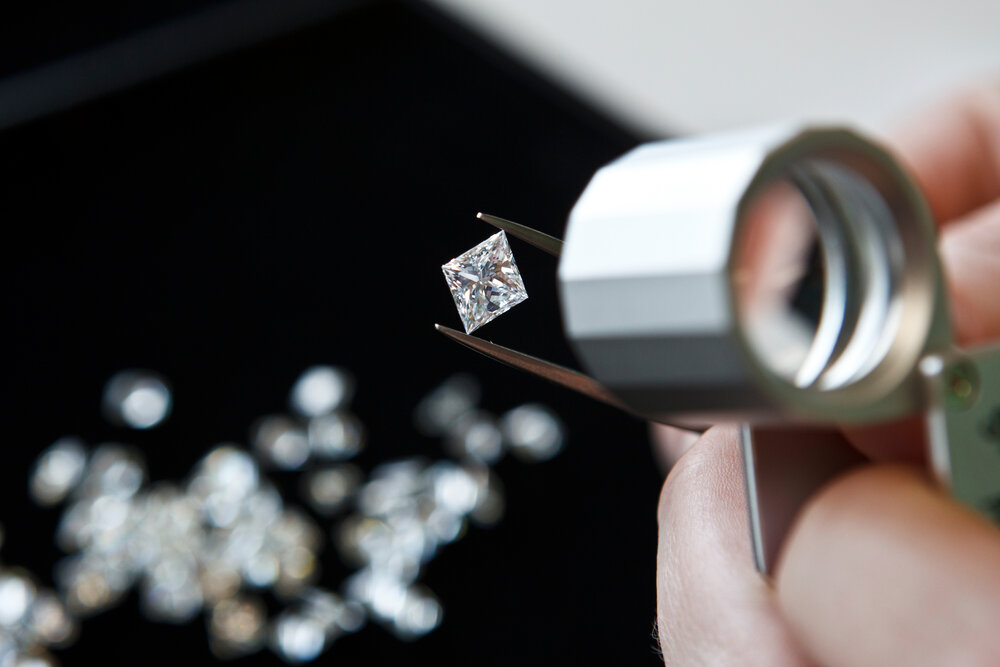
IGI.org | Lab Grown Diamonds vs Natural Diamonds | Lab Grown vs Natural Diamond
Lab-Grown Diamonds vs Natural Diamonds: Exploring the Differences:
Lab-grown diamonds, also referred to as synthetic or man-made diamonds, are crafted in a carefully controlled laboratory environment using advanced methods such as High-Pressure, High-Temperature (HPHT) or Chemical Vapor Deposition (CVD). These sophisticated processes use controlled chemical reactions or replicate the natural conditions under which diamonds formed in the Earth’s mantle, producing gems that are physically, chemically, and optically equivalent to natural diamonds.
Natural diamonds, in contrast, formed billions of years ago under extreme conditions deep within the Earth’s crust. Over time, these diamonds were carried to the surface by volcanic eruptions. Due to the unique formation, they often exhibit distinct inclusions and variations, which are less prevalent in their lab-grown counterparts. These natural characteristics contribute significantly to their charm and individuality.
The International Gemological Institute (IGI) dedicates itself to providing comprehensive information on the formation and identification of both lab grown and natural diamonds. Understanding the intricate details that distinguish lab grown vs natural diamonds enhances appreciation for their beauty and the stories they hold. Learn more about these fascinating gems here.
Note: IGI uses the term lab grown diamonds to refer to man-made gemstones which are optically, chemically, and physically identical to natural diamonds. While this is a widely accepted term in the USA, other regions of the world may legally require alternative terms such as “laboratory grown diamond” or “synthetic diamond” for distinction.
Comparing Both
When comparing lab grown vs natural diamonds, each holds its own significance and appeal. While both can be graded and certified by respected gemological laboratories according to the “Four Cs” (Carat, Color, Clarity and Cut), there are inherent differences between the two, in terms of economics and perception.
- Certification and Grading: Both lab-grown and natural diamonds undergo certification and grading by gemological experts according to strict, uniform standards. In this aspect, the quality and authenticity assessment and certification of lab vs natural diamonds is identical.
- Cultural Value: Natural diamonds possess profound cultural significance, often symbolizing heritage, narrative, and traditional prestige. Cherished across diverse cultures for centuries, they have historical importance in religious and cultural contexts, particularly in ancient India where they were considered both precious and powerful. Alternately, lab grown diamonds are gaining attention as an affordable, new, planet friendly choice. For this reason lab grown and natural diamonds satisfy different tastes in different markets, often representing a choice that is as personal, as it is aesthetic or financial.
- Technical Attributes: Laboratory techniques permit strictly controlled production, often resulting in lab-grown diamonds that exhibit the highest levels of color and clarity achieved in natural diamonds. Consequently, lab vs natural diamonds coming to market have diverging quality standards, with lab-grown diamonds frequently achieving near-colorless to colorless grades and flawless clarity, whereas natural diamonds which reach those grades are far more rare.
- Economic Considerations: Making the choice between lab-grown v natural diamond involves weighing various factors, including pricing. Lab-grown diamonds provide a more affordable option for those seeking the positive qualities of a diamond without the cost associated with natural stones. Natural diamonds, which carry a notable premium over their manmade counterparts, are valued for their rarity, earthborn formation and traditional association with “forever.”
- Environmental Impact: There are compelling discussions surrounding the environmental impact of diamonds created in a lab vs natural diamonds. Succinctly put, lab grown diamonds, despite requiring energy-intensive production processes, are often considered a more planet-friendly choice because they typically do not involve the invasive disruptions to the environment caused by mining. The terms “sustainable, green and eco-friendly” are often associated with lab grown diamonds, but it’s important to note that some countries do not permit those terms to be used in the promotion of lab grown diamonds without proof from third party auditors.
In summary, while lab-grown diamonds offer an ethical and budget friendly alternative, natural diamonds maintain their traditional appeal through long-standing rarity and profound geological history. Both products undeniably bring delight to those who wear them, underscoring the long standing appeal and appreciation for diamonds in general.
For those eager to dive deeper into the world of diamonds and other gemstones, the educational resources provided by the IGI offer valuable insights.
Lab Grown vs Natural Diamond FAQS
-
What is the difference between lab grown vs natural diamonds?
Lab grown vs natural diamonds differ mainly in formation; one is created above ground in controlled conditions, while the other formed billions of years ago during the supercontinent cycle. Each provides unique benefits and appeals to different buyer preferences. The choice often comes down to personal values involving tradition, ethics and cost considerations.
-
Is there a price difference between lab vs natural diamonds?
Yes. Lab grown diamonds are more affordable, making the lab vs natural diamond choice pivotal for budget-conscious buyers, as opposed to those with greater resources. The availability of both products provides greater flexibility when considering weight and quality according to pricing. Since lab grown diamonds are a technology it’s logical to presume they will become even more affordable over time, potentially making them available to people around the world who were not previously able to afford diamonds.
-
Do lab grown and natural diamonds look the same?
Both appear identical to the eye, with lab grown and natural diamonds indistinguishable without specialized tools. This similarity means that choosing between them often comes down to financial, traditional and ethical considerations.
-
Which is more durable: lab grown vs natural diamonds?
Durability is the same for lab grown vs natural diamonds, as both score a perfect 10 on the Mohs scale. This ensures that each can be worn daily without worry of scratching or damage. No matter the source, diamonds remain the hardest known substance, making them ideal for long-lasting jewelry.
-
How is the value of lab vs natural diamonds determined?
Value is determined by the “Four Cs”; yet, natural diamonds often command higher prices than lab grown ones.
-
Are lab grown and natural diamonds graded the same way?
Yes, both are graded identically by gemological experts, underscoring consistency in assessing lab grown and natural diamonds. This provides assurance of quality and authenticity to the buyer. These standardized grading systems are crucial for maintaining transparency and trust in the diamond market and also make the choice between lab grown vs natural diamonds much more straightforward.
-
Can a jeweller distinguish between lab grown vs natural diamonds?
Not decisively. Tools available to the jewelry community can identify suspected lab grown diamonds, but only a grading institute like IGI can perform the ultimate tests needed to confidently prove lab grown or natural growth.
-
Which one is better for the environment: lab vs natural diamonds?
Lab grown diamonds are generally seen as environmentally preferable, but both options have distinct impacts. Sustainable solutions in the lab-grown sector continue to evolve, potentially enhancing their environmental benefits over time. Choosing between lab vs natural diamonds often involves weighing all aspects, including the environmental implications as well as personal preferences.
-
Do lab grown and natural diamonds have the same resale value?
Consumers cannot typically recover what they paid for any diamond, whether natural or lab grown. However natural diamonds have historically held and/or increased in value over time, meaning they can be sold or traded for some percentage of the original cost basis. Lab grown diamonds are best viewed for the up-front savings, compared to equivalent natural diamonds, which is made possible their affordability at the time of purchase. Whether the growing acceptance of lab grown diamonds will affect their resale value in future markets remains to be seen.
-
Is a certification required for lab grown vs natural diamonds?
Yes, certification is essential for both, ensuring the authenticity and quality assurance of lab vs natural diamond choices. Trusted certification enhances consumer confidence and safeguards their investment. This documentation provides peace of mind and establishes the diamond's value and characteristics for appraisal and potential resale.
Lab Grown Diamonds vs Natural Diamonds Related Content
Lab-grown diamonds, also known as synthetic or man-made diamonds, are created in a controlled laboratory environment using high-pressure, high-temperature (HPHT) or chemical vapor deposition (CVD) methods. These processes replicate the natural conditions under which diamonds form in the Earth's mantle, resulting in diamonds that are physically, chemically, and optically identical to natural diamonds.
When studying and appreciating the beauty of real diamonds, one has to consider a topic that has been gaining significant attention in the gemological world: lab-grown diamonds versus real diamonds.